The Carter Center
"I have one life and one chance to make it count for something... My faith demands that I do whatever I can, wherever I am, whenever I can, for as long as I can with whatever I have to try to make a difference." — Jimmy Carter
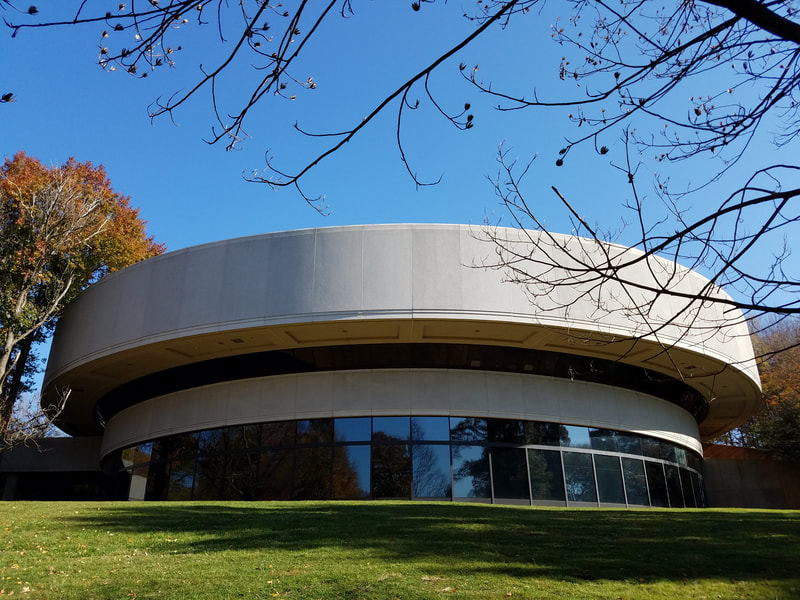
Founded in 1982 by former President Jimmy Carter alongside his wife Rosalynn, The Carter Center emerged as a nonprofit organization dedicated to advancing peace and human rights worldwide. Following his electoral defeat in 1980, President Carter partnered with Emory University to establish this center, which now occupies a distinctive position adjacent to the Presidential Library on a beautifully landscaped 37-acre estate, just two miles from Atlanta's downtown core.
While the library and museum operate under the United States National Archives and Records Administration, The Carter Center functions independently as a nongovernmental organization governed by a distinguished Board of Trustees representing leaders from business, education, government, and philanthropy.
This overview showcases The Carter Center's mission to promote human rights and reduce suffering across more than 80 nations. Operating in some of the world's most challenging regions, the organization delivers hope to communities facing extraordinary hardship.
Visitor Information
Entry to The Carter Center building requires advance appointment. However, the spectacular grounds remain open to all visitors and offer an exceptional experience worth dedicating time to explore.
Exploring the Grounds
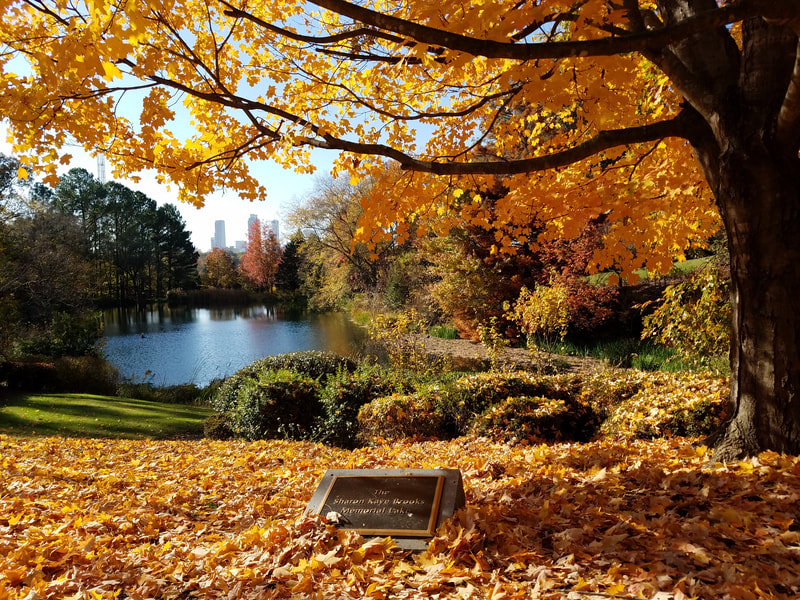
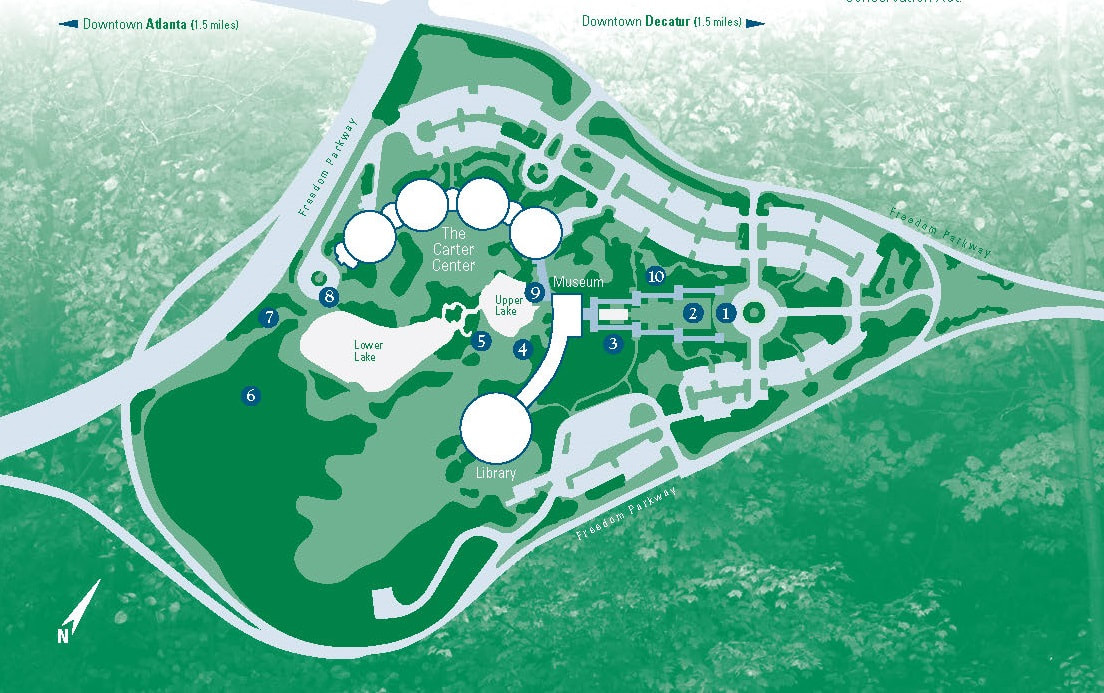
Situated within a wooded 35-acre sanctuary mere minutes from downtown Atlanta, The Carter Center's grounds feature meticulously designed formal gardens, artistic sculptures, cascading waterfalls, and two tranquil lakes. The map below highlights ten essential features that make this destination truly remarkable. Plan to spend at least an hour wandering these beautiful grounds.
Highlighted Features
- Circle of Flags — The national flag takes center stage within a stirring arrangement of all 50 state flags, surrounded by seasonal plantings that provide year-round color.
- Entry Gardens — Terraced overlooks leading to the Presidential Library feature vibrant flower beds and an enchanting fountain, bordered by star magnolias, Japanese maples, Foster's hollies, and leather leaf mahonia.
- Rose Garden — This peaceful sanctuary hosts over 40 rose varieties, including the coral-hued Rosalynn Carter, pink Queen Elizabeth, dramatic red and white Snow Fire, and lavender Lady X. The garden's focal point is the meaningful sculpture "Hope," a gift from Dorothy C. Fuqua.
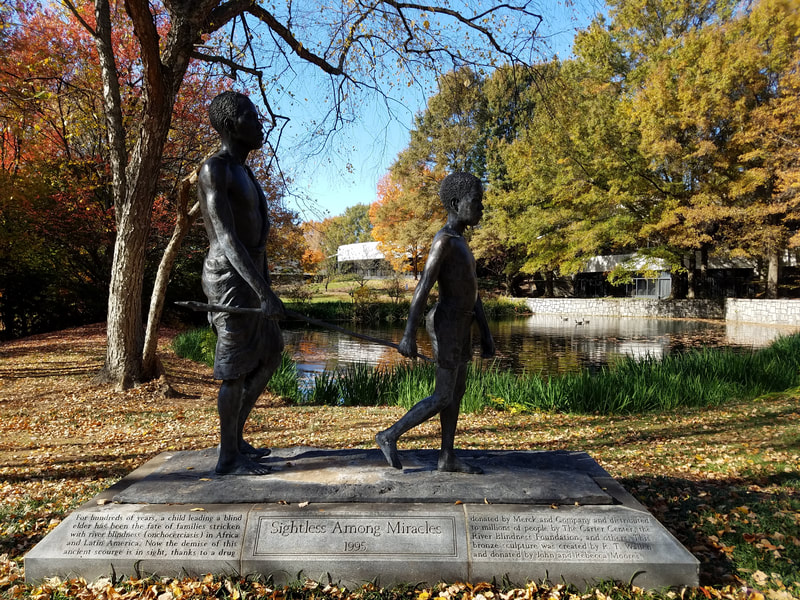
- "Sightless Among Miracles" — This powerful sculpture, donated by John and Rebecca Moores, portrays a child guiding a blind individual, representing communities affected by river blindness disease, which The Carter Center works to eliminate.
- Japanese Garden — Created by Master Gardener Kinsaku Nakane and gifted by YKK Corporation, this garden showcases azaleas, rhododendrons, Japanese maples, river birch, golden raintree, camellia, and barberry. The larger waterfall symbolizes President Carter, while the smaller represents Rosalynn Carter.
- Native Oak Forest — This three-acre preserved natural area provides beautiful views across the lower lake toward the Japanese Garden. The forest hosts an American chestnut tree restoration project, with picnic tables offering peaceful spots for visitors.
- Pollinator Garden — Established in 2014 as part of the Rosalynn Carter Butterfly Trail, this garden bursts with native flowers and plants, including milkweed essential for monarch butterflies and plants supporting Georgia's state butterfly, the tiger swallowtail.
- Sundial — Seasonal plantings enhance the circular plaza before the Ivan Allen III Pavilion, which offers breathtaking panoramic views of Atlanta's skyline. The sundial honors Ivan Allen through a dedication from company employees.
- Koi Pond — This captivating water feature honors Senator Hajime Akiyama and his family as early supporters, celebrating the enduring friendship between the Carters and the people of Japan.
- Caribou Statue — This sculpture commemorates the 20th anniversary of President Carter's signing of the Alaska National Interest Lands Conservation Act.
Historic Battleground
In a striking irony, The Carter Center — an organization committed to "Waging Peace" — occupies 35 acres that witnessed both violent Civil War conflict and, more than a century later, survived threats from proposed highway construction.
Battle of Atlanta
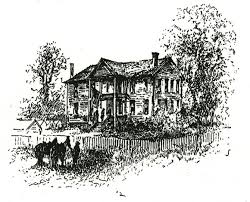
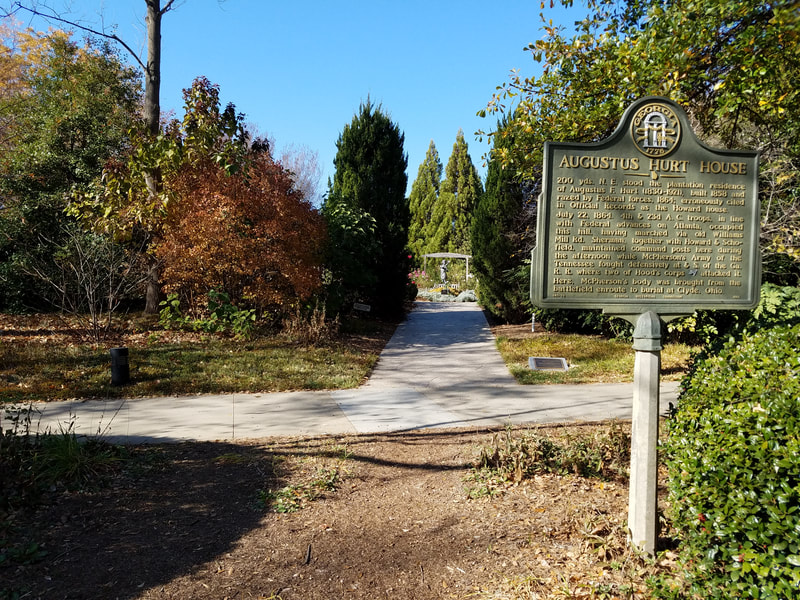
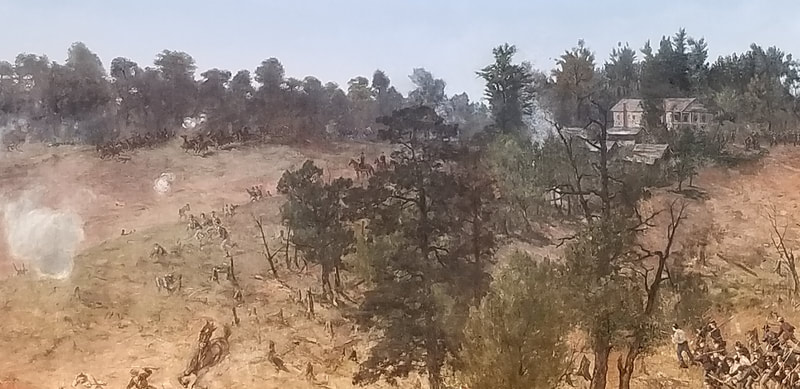
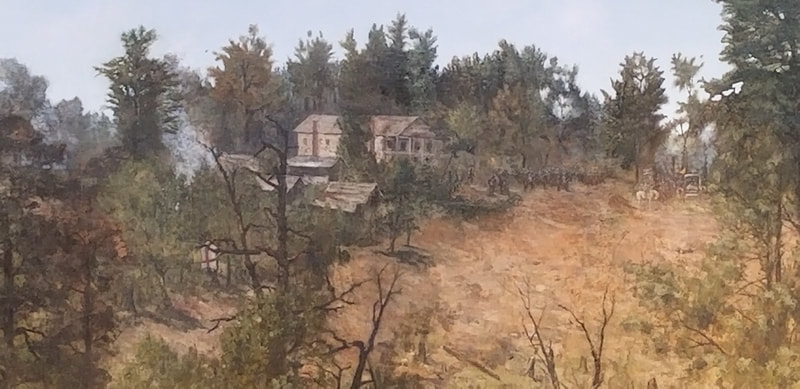
The Carter Center sits on land once occupied by the Augustus Hurt residence, which served as General Sherman's temporary command post during the pivotal Battle of Atlanta on July 22, 1864. This decisive engagement is immortalized in the renowned Cyclorama painting, now housed at the Atlanta History Center.
The historic Cyclorama images below reveal the Augustus Hurt house. Careful examination shows General Sherman mounted on horseback observing the unfolding battle. Behind the residence, you can discern the ambulance that transported General James B. McPherson's remains to Sherman following his fatal shooting in what is now East Atlanta Village.
The intense combat depicted in the Cyclorama occurred less than a mile south of The Carter Center's current location, near today's Inman Park MARTA station. Additional details appear on the Freedom Park section of the Atl Freedom Path.
The Copenhill Story
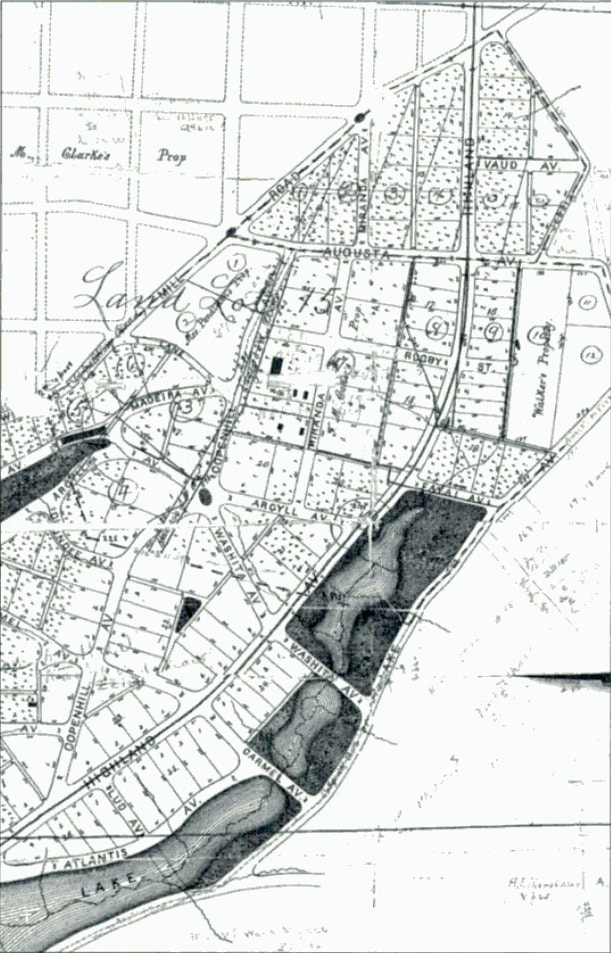
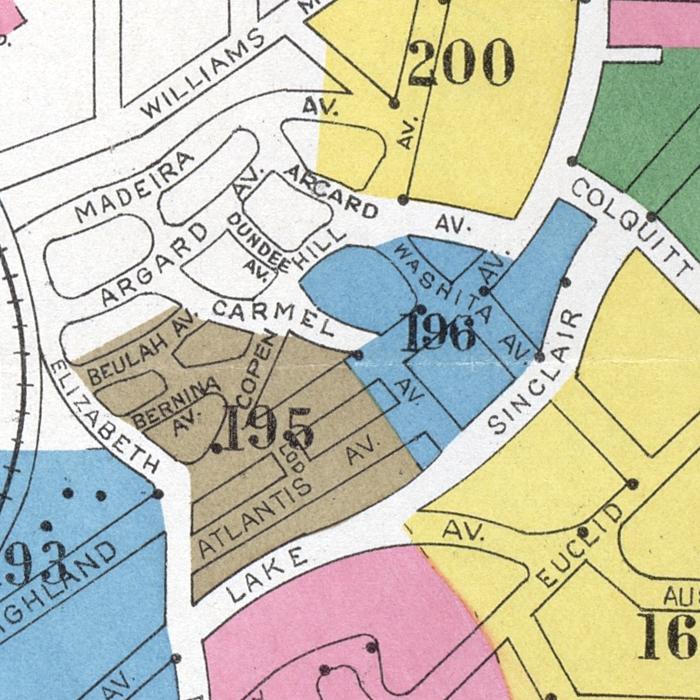
Copenhill emerged in the 19th century as Atlanta's second planned garden suburb, named after three developers: Coker, Pennington, and Hill. The neighborhood centered on Madeira Park, bounded by Williams Hill Road, Sinclair Avenue, Southern Railroad tracks, and situated blocks from the Ponce de Leon Avenue streetcar line.
Following its heyday as home to insurance executive A. L. Walden and later the Southern Christian House, Copenhill faced industrial rezoning in 1929. The area was cleared in the 1960s for I-485, a highway that was never built. President Carter later acquired 33 acres of this abandoned land to create The Carter Center. Through the vision of a Georgia native, Copenhill rose phoenix-like from neglect, now thriving amid the vibrant Poncey-Highland and Inman Park communities.
Source: The Civil War: Atlanta and Copenhill by James A. Yancey Jr. (Former Archivist, Jimmy Carter Presidential Library)
Nearby Points of Interest
- Atlanta BeltLine trail access
- Augustus Hurt House historic marker
- Battle of Atlanta historical marker
- Freedom Park Farmer's Market
- Stone Mountain Trail connection
All locations appear on the Interactive Map
Learn More
Carter Center Resources
Historical Context
Getting There
- Interactive Map: View on Freedom Trail Map
- Navigation: Google Maps Directions
- Public Transit: Approximately one mile walking distance from Inman Park MARTA station
- Parking: Multiple parking areas available on site